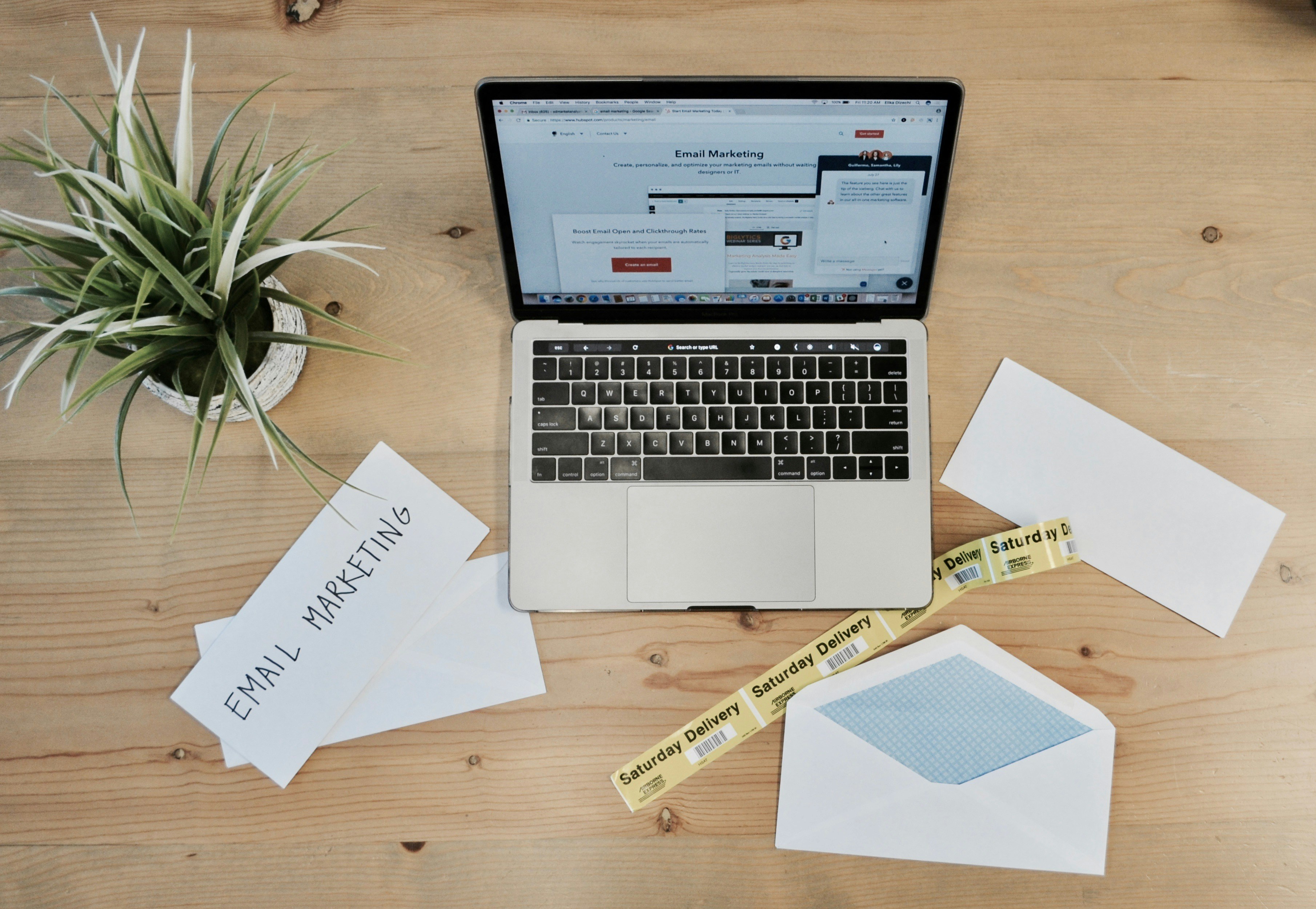
Introduction to Email Marketing and Customer Relationships
Email marketing is a powerful tool used by businesses to connect with customers and establish meaningful relationships. In today’s digital age, where consumers are bombarded with various forms of advertisements, effective email communication stands out as a crucial method for engaging and retaining customers. The significance of email marketing lies not only in promoting products or services but also in building a rapport that fosters trust and loyalty among the customer base.
One of the key advantages of email marketing is its ability to facilitate personalized communication. By segmenting the audience and tailoring messages to specific interests or behaviors, organizations can create email campaigns that resonate with individual customers. This targeted approach not only enhances engagement but also demonstrates that the business values its audience, which is essential for nurturing lasting relationships.
Furthermore, email marketing serves as a platform for delivering valuable content, updates, and offers directly to the inbox of customers. Regular communication keeps the brand top-of-mind and reminds customers of the benefits they receive from their relationship with the business. Providing informative and relevant content through emails helps to build a strong connection, making customers feel engaged and appreciated.
In essence, when businesses prioritize open lines of communication through email marketing, they are more likely to create customer loyalty and enhance their professional image. A positive customer experience reinforced by consistent and well-crafted emails can transform a one-time buyer into a long-term advocate for the brand. Ultimately, the role of email marketing in customer relationships cannot be overstated; it is a core component of any effective strategy aimed at fostering customer satisfaction and retention.
Understanding Your Audience: The Key to Effective Email Marketing
To achieve success in email marketing, grasping the nuances of your audience is essential. This understanding not only helps in crafting better content but also enhances customer relationships significantly. Effective email marketing begins with audience segmentation, which involves dividing your overall audience into smaller, more specific groups based on shared characteristics such as demographics, behavior, and preferences.
Segmenting your audience allows for the targeting of specific groups with tailored content that meets their unique needs. For instance, if you identify that a portion of your audience prefers certain types of products or services, you can create email campaigns that feature those specific offerings. This approach not only increases engagement rates but also fosters a deeper connection between the brand and its customers. Tailoring content according to different segments minimizes the risk of sending generic messages that might not resonate with everyone.
Moreover, understanding the preferences of each segment facilitates the personalization of email communication. Personalization can include using the recipient’s name, recommending products based on past purchases, or sending emails at a time when they are most likely to engage. By doing so, marketers can enhance the effectiveness of their email campaigns, as personalized messages tend to receive higher open and click-through rates compared to non-personalized ones.
Additionally, continually analyzing audience data and adjusting segments based on emerging trends and behaviors is vital. This ongoing adjustment ensures relevance, allowing businesses to stay aligned with the ever-changing preferences of their customers. In summary, a deep understanding of your audience, coupled with effective segmentation and personalized content delivery, is the cornerstone of impactful email marketing strategies that build strong customer relationships.
Crafting Compelling Email Content
Creating email content that resonates with customers is a critical component of an effective email marketing strategy. One of the first elements to consider is the subject line, which serves as the gateway to your email. An engaging subject line should be concise, relevant, and enticing enough to encourage recipients to open the email. Using action-oriented language and posing compelling questions can pique the interest of your audience while maintaining their focus on your brand.
Personalization plays a key role in connecting with customers. Addressing recipients by their first names in the greeting is an excellent way to create a sense of familiarity and importance. Moreover, personalizing content based on previous interactions or preferences can significantly enhance customer engagement. Tailoring your message, whether through product recommendations or customized offers, shows that you value the recipient as an individual rather than just another email address.
The body of the email should focus on delivering content that aligns with the interests and needs of your customers. Highlighting relevant solutions to their challenges, sharing informative articles, or providing special offers can strengthen their perception of your expertise and professionalism. It is essential to maintain clarity and brevity; lengthy emails may result in disengagement. This means using short paragraphs and bullet points to help convey information effectively and keeping the message focused on a single objective or call to action.
Lastly, incorporating visual elements such as images or infographics can make your emails more appealing and easier to digest. However, it is crucial to ensure that visuals complement the written content rather than overshadow it, as the ultimate goal remains clear communication. By integrating these strategies into your email marketing efforts, you can craft compelling content that resonates with your customers, ultimately enhancing your professional image.
Maintaining Consistency in Email Communication
Consistency in email communication is crucial for establishing and nurturing strong customer relationships. It ensures that recipients can anticipate your messages, building a sense of reliability that fosters trust. By sticking to a regular email schedule, brands can effectively convey their professionalism and maintain engagement with their audience.
To maintain consistency, it is advisable to create a calendar for your email marketing campaigns. This allows you to plan content ahead of time, ensuring that you deliver messages at regular intervals. For example, whether your strategy includes weekly newsletters or monthly promotions, adhering to a defined schedule helps set customer expectations. The predictability of receiving emails on specific days cultivates a habit in your audience, encouraging them to engage with your content more readily.
Furthermore, brand voice and tone consistency across your email communications is vital. Your audience should be able to recognize your brand immediately through your writing style and messaging. This can be achieved by developing detailed guidelines that outline the preferred tone, language, and style. Utilizing a uniform template for your emails can also help reinforce your brand identity, enhancing visual recognition while ensuring that your tone remains consistent throughout various communications.
Another important aspect of maintaining consistency is to ensure that the information shared aligns with your brand values and mission. Regularly aligning your messaging with customer expectations not only strengthens trust but also promotes a deeper connection with your audience. Consistency in your email marketing efforts does not merely reflect a proficient operation; it highlights a commitment to building lasting relationships, ultimately enhancing your professional image.
Utilizing Automation for Efficient Relationship Building
Email automation is a pivotal tool in modern marketing strategies, particularly in developing strong customer relationships. By leveraging automation, businesses can enhance responsiveness to customer inquiries and needs, ensuring that messages are sent promptly and effectively. Automated campaigns save time while maintaining a steady communication flow, allowing marketers to reach customers with relevant information swiftly.
One of the primary advantages of automated email campaigns is the ability to nurture leads through targeted content. These campaigns can be programmed to deliver personalized messages based on customer behavior, preferences, and timeline. For instance, when a customer signs up for a newsletter, businesses can automatically send a welcome email that includes tailored content or special offers, thereby establishing a more meaningful connection right from the start. This tailored approach not only improves engagement rates but also reinforces the message that the business recognizes and values individual customer interests.
Moreover, automation allows for a consistency that is challenging to achieve through manual efforts alone. Regularly scheduled emails can keep customers informed about new products, promotions, or company updates, ensuring that they remain engaged with the brand. The professionalism of timely and relevant communication reflects positively on the brand’s image, allowing customers to perceive it as reliable and attentive.
However, it is essential to balance automation with personalization. While automated messages can efficiently manage communication, integrating a personal touch—such as using the customer’s name or referencing past interactions—can further enhance the relationship. This nuanced approach promotes a sense of connection without sacrificing efficiency. Ultimately, email automation serves as a powerful ally in building and maintaining customer relationships, fostering a professional image while ensuring that communications remain relatable and meaningful.
Measuring the Effectiveness of Your Email Campaigns
Measuring the effectiveness of your email marketing campaigns is crucial for understanding how well your efforts resonate with your audience. Various metrics and analytics are available to help marketers assess success and optimize future initiatives. One of the fundamental metrics is the open rate, which represents the percentage of recipients who open the email. A high open rate indicates that your subject lines are appealing and that there is interest in your content.
Another essential metric is the click-through rate (CTR), which measures the percentage of recipients who clicked on a link within the email. A strong CTR shows that your content is engaging and encourages further interaction. Tracking these metrics over time allows you to identify trends and determine which types of content or subject lines drive the highest engagement.
In addition to open and click-through rates, gathering customer feedback is invaluable. This can be accomplished through surveys or direct replies to email campaigns. By encouraging recipients to share their thoughts, you can gain insights into what works well and what needs improvement. Adjusting your strategies based on customer feedback not only enhances your email content but also strengthens relationships by showing that you value your subscribers’ opinions.
Furthermore, analyzing unsubscribe rates is critical. A sudden increase may indicate that your content no longer meets the needs or preferences of your audience. Regularly reviewing these metrics, alongside the aforementioned data points, will allow you to refine your email marketing strategies effectively. By closely monitoring these various metrics, you can create more relevant and engaging email campaigns that foster stronger customer relationships, ultimately enhancing your professional image in the marketplace.
Best Practices for Building a Professional Image Through Email
In the realm of email marketing, maintaining a professional image is essential for fostering strong customer relationships. There are several best practices to consider that can greatly enhance the perception of your brand.
Firstly, it is vital to focus on the design of your emails. A clean, well-organized layout with consistent branding elements such as colors, logos, and typography helps to convey professionalism. Moreover, utilizing responsive design ensures that your emails are visually appealing and accessible across various devices, including smartphones and tablets. Images should be optimally sized and relevant, reinforcing your message without overwhelming the reader.
Language use plays a critical role in how customers perceive your email communications. Employing a professional tone, while remaining personable, can significantly impact engagement. Avoiding slang or overly casual vocabulary enhances credibility. Tailoring your language to your target audience, while ensuring clarity and conciseness, will foster stronger connections. Additionally, employing proper grammar and spelling is a must, as errors can detract from a professional image and lead to misunderstandings.
Furthermore, professionalism in communication extends to how you address your recipients. Using personalized greetings and signing off with your full name and title can create a sense of familiarity while maintaining authority. Responding promptly to inquiries or feedback can also demonstrate your commitment to customer satisfaction, reinforcing positive perceptions of your brand.
In conclusion, adhering to these best practices will not only enhance your professional image through email marketing but will also contribute to nurturing lasting relationships with your customers. A thoughtful approach to design, language, and communication can significantly elevate your brand’s reputation and effectiveness in the competitive marketplace.
Case Studies: Successful Email Marketing Strategies
Numerous companies have effectively harnessed the power of email marketing to cultivate robust customer relationships, demonstrating various strategies tailored to their unique needs and challenges. One notable example is the online retailer, Amazon. Amazon utilizes personalized email campaigns based on users’ past purchases and browsing behavior, enhancing customer engagement and increasing conversion rates. The company faced initial challenges in segmenting its vast customer base to ensure relevant messaging, but by employing sophisticated data analytics, they significantly improved their targeting capabilities. This resulted in a remarkable uplift in sales attributed directly to email marketing efforts.
Another exemplary case is the American Red Cross, which focuses on building community and trust through email communication. They implemented a strategy that emphasizes storytelling, showcasing real-life impact stories from donors and beneficiaries. Initially, they encountered challenges in effectively conveying their message and engaging their audience emotionally. However, through continuous testing and refining of their messaging, they successfully increased their open rates by 25% and saw a significant rise in donations during fundraising campaigns.
Moreover, Birchbox, a beauty subscription service, has also leveraged email marketing to foster strong customer relationships. Birchbox created a series of tailored welcome emails for new subscribers, guiding them through the benefits of their subscription service. This initial communication set the stage for ongoing personalized emails that highlight new products and promotions based on individual preferences. The company overcame challenges related to customer retention by maintaining consistent and relevant email touchpoints, leading to a 20% increase in customer loyalty metrics.
These case studies exemplify the diverse strategies employed by organizations to overcome challenges in email marketing. They illustrate the potential of creating personalized, engaging, and relevant content that fosters trust and builds strong customer relationships, ultimately enhancing the professional image of each company.
Conclusion
Email marketing has proven to be an indispensable tool for businesses aiming to cultivate strong customer relationships. It enables organizations to communicate directly with their audience, fostering engagement and trust over time. By consistently delivering valuable content, tailored promotions, and personalized messages, companies can significantly enhance their professional image and establish a loyal customer base.
The long-term benefits of utilizing email marketing extend beyond immediate sales; they include increased customer loyalty and retention. When customers feel valued through targeted campaigns and relevant information, they are more likely to stay engaged with a brand. This ongoing engagement translates to repeat purchases, referrals, and an enhanced reputation within the marketplace.
Investing in the development of an effective email marketing strategy is essential for any business seeking to strengthen these relationships. This includes segmenting your audience for tailored messaging, maintaining a consistent schedule, and analyzing feedback to improve future communication. By prioritizing email marketing, businesses can build trust with their customers, which is key to navigating competitive industry landscapes.
Moreover, the insights gained from email marketing can guide overall business decisions, helping organizations adapt to customer preferences while forecasting trends. In the digital age, where customer loyalty can be fickle, email marketing offers a reliable way to stay connected and relevant.
In conclusion, integrating email marketing into your customer relationship management efforts is not merely a tactic, but a long-term strategy that cultivates loyalty and enhances customer retention. Companies should view their email marketing campaigns as an ongoing investment in the relationships that will drive sustained success. By committing to this channel, businesses can enjoy the fruits of strong customer bonds and an improved professional image.